
A Child’s Most Important Teacher
By Alysha L
Part 1: Getting involved at home
At my job, in a preschool, we tell the parents the same thing at the beginning of each year: “you are your child’s first and most important teacher.”
We do this because, it’s absolutely true and parents need to hear it. Think of all the things your child could do before preschool. They learned to walk and talk; to ask and wonder. They moved from bottles to sippy-cups to cups. They moved from babble to words.
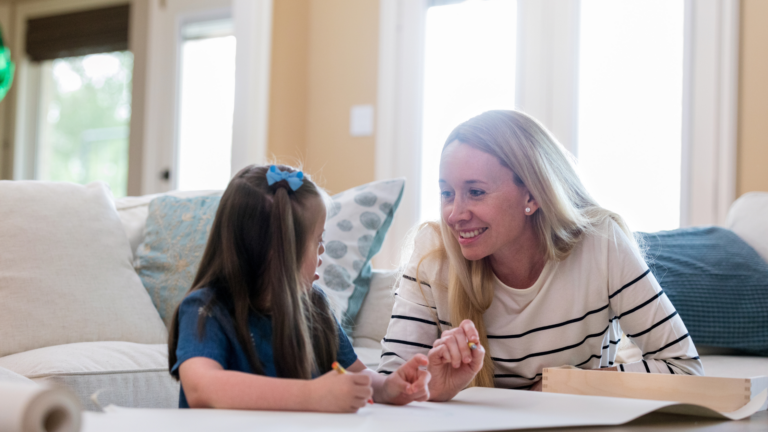
Being their first and most important teacher means that you are always the best one for them to learn from. It means that you are their best model, the one they most need encouragement from and that the most progress they make will be with you.
If you are feeling intimidated, you shouldn’t! You might be thinking, “I’m terrible at math/English/science…etc. How could I possibly help my child!?” It’s absolutely ok to not know things! There are an endless amount of things that we don’t know.
When you don’t know something, it is a perfect opportunity to say, “I’m not sure how to do this, let’s find out together!” Teach your child to work with others, read the directions, ask for help and look things up. You can model being brave and working hard in the face of things you don’t know. That might sound silly, but it’s so easy to give up when things are hard or unfamiliar.
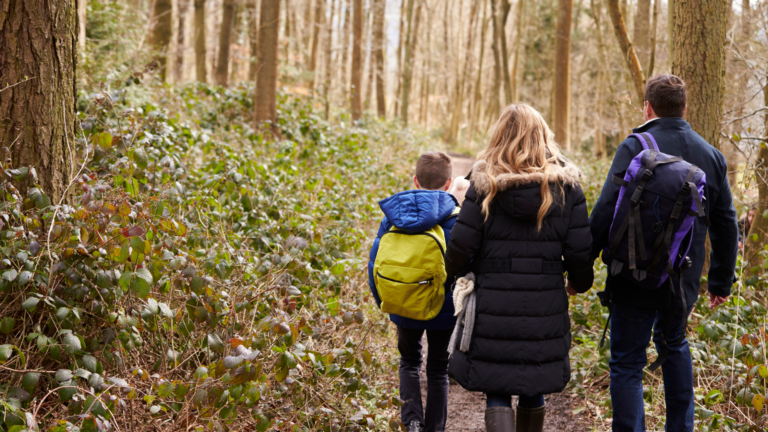
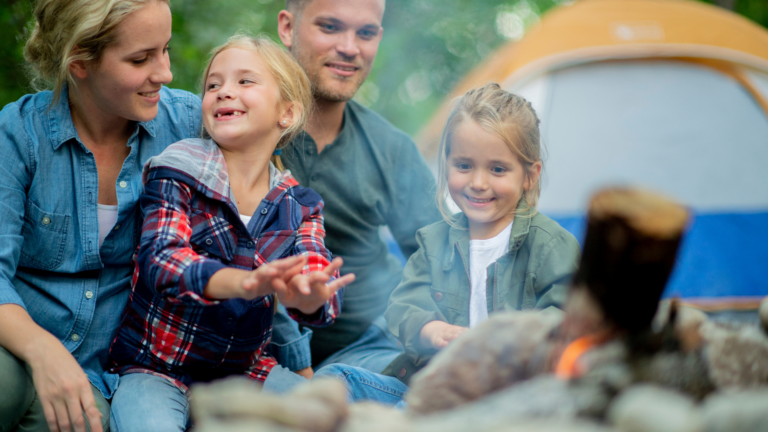
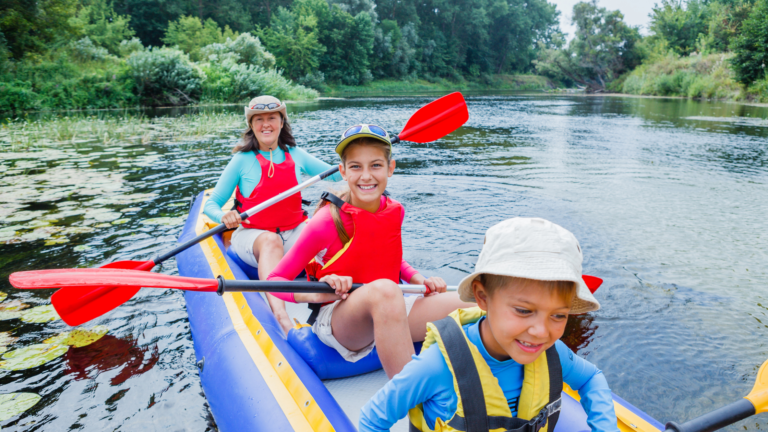
One of the best ways to help you child learn is by going outside! Children learn best through play, and they need to get out all their restless energy. Kids who spend time playing outside are able to focus better and have better control over their emotions. Playing outside can also improve their reading and problem-solving skills! It’s okay to put down the books and pencils and go play. They are still learning and they’re having a great time with you!
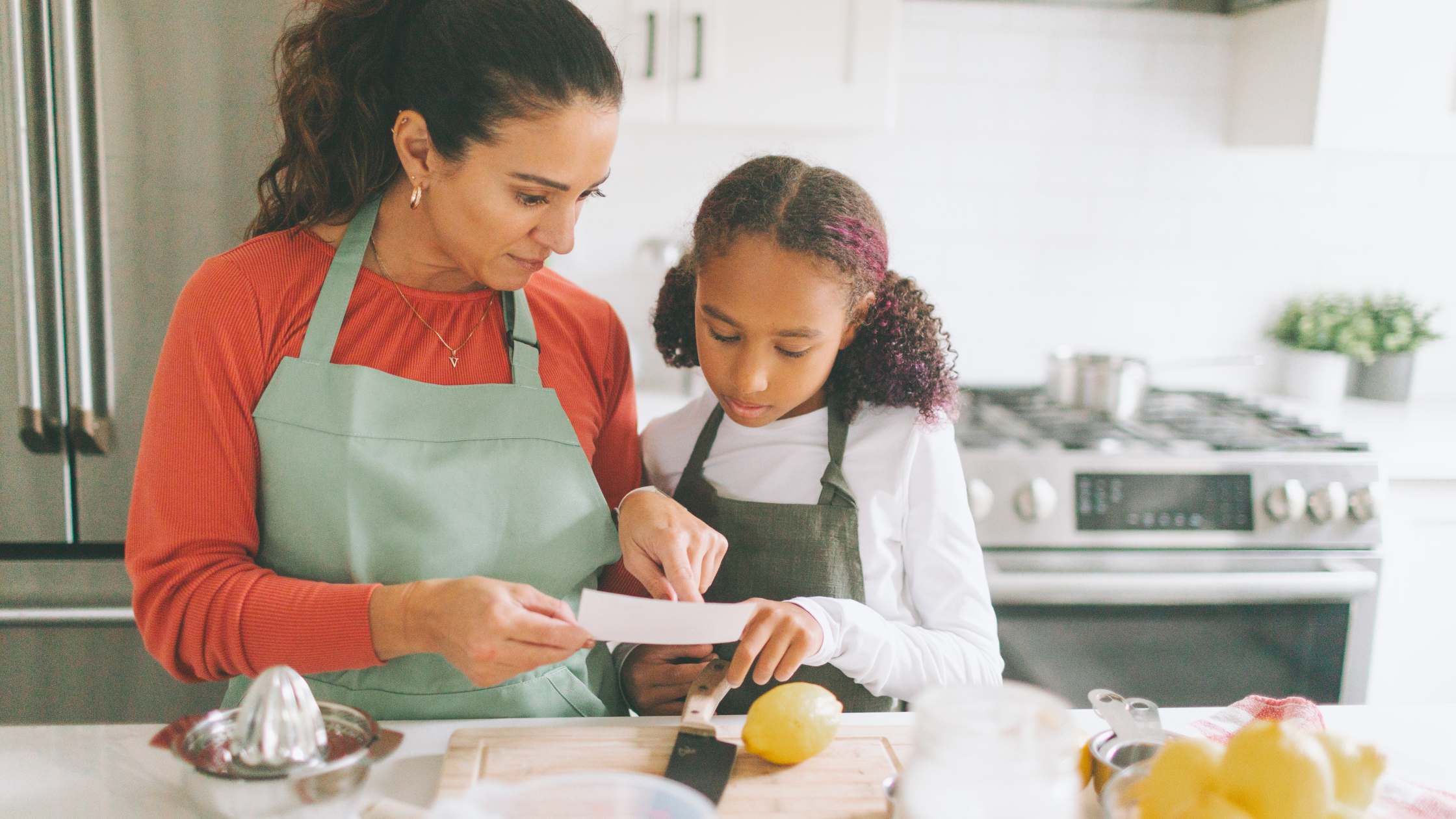
It’s also fun to learn from their interests. If they love nature, go for a hike together. You can collect things, or draw what you see. You can look up cheap science experiments online to do together. If they love cooking, have them help you plan your meals and make them. If they love English, you could write a story together or read the same books and talk about them. The point is, learning at home should be fun for your family and can absolutely be a time for bonding! Teach your child to love learning.
Your kids learn so much by watching what you do. If you want them to love learning, a good way to do that is to love it yourself! I don’t mean you have to sit down and practice your handwriting or work through equations though! Pick something you’re interested in and try to learn more about it. Maybe you’ve always wanted to learn a new language or how to sew? Maybe, you just always wondered how to make your own peanut butter cups. Whatever it is, do it! Then, talk to your kids about how you are doing. Tell them how you figured things out, and if they are interested, let them help you!
Part 2: Getting involved at school
A lot of parents feel intimidated about getting involved at school. You get to spend time with your little one, but you are also helping other kids you may not know so well. Also, what on Earth are you even supposed to do there?!
Don’t worry though, just talk to your child’s teacher. We’re here for your children and family, so don’t be afraid to talk to us! Every class is different, so they can walk you through the process of volunteering and what might be expected in yours.
One great thing my parents have done in class is to bring their talents in to share with us! We’ve had musicians, quilters, and drama students all come into our class with fun ideas! It’s fun, educational, and makes your kids feel so proud of you! If you’re feeling like there’s nothing you could bring to class, you might be underestimating your own talents. Think about your kids, is there a skill you could teach them? If so, you could probably teach their friends too!
Some of you might be feeling like you can’t be involved, but it’s not true! There are a couple ways to get involved with the school without volunteering in the classroom. For example, you can check for a class website. That will keep you updated on things, and let you see what your child is learning so you can follow up at home.
You can also check with your teacher for “parent homework.” Honestly, teachers almost always have some work to do! If you ask, they might be more than willing to send some home so you and your child can work on it together. These might be little booklets, cutting out laminated activities, or in some cases helping to create decorations for the classroom. I had a parent take home some Pringles cans, tree bark and a hot glue gun to make some decorative pencil holders.
One of the best ways to get involved is by joining parent groups, like the PTA, or afterschool programs. In the PTA, and other similar programs, you can help direct the school’s growth. Parents can really make a difference in how a school is run. Parents get together make connections and help improve their schools. The PTA and other similar parent organizations also offer resources to parents. Headstart preschools don’t have PTA, but they do have a policy council made up of parent volunteers who discuss and vote on changes. Talk to your teacher or principal to find out what they have at your school.
You may not always feel this way, but you are the most valuable part of your child’s education. Don’t be afraid to get involved and to push for your child’s needs. Don’t be afraid to learn with them or to put away the books and go outside! We’re lucky to get them for a short period and we hope what we teach them sticks. You have them for life, and what you teach them, they’ll never forget. There’s nothing more valuable. Even, if it doesn’t always seem that way. You are absolutely the most important teacher your child will ever have. Never forget it!
Part 3: Links for you!
I wanted to link a few websites to give you ideas and information. Without further ado, here is a list, with a short summary for each link:
This link has a ton of great ideas for math, writing and reading activities for kids of all ages!
Here are some great ideas for science at home.
http://www.iflscience.com/chemistry/unfinished-20-fun-science-experiments-you-can-do-home/
Here are some learning resources for parents:
http://www.businessinsider.com/the-best-free-online-learning-resources-2015-3
Find out more about the PTA and find a local chapter:
This is a link to the National Head Start Association. This is a program that provides free preschool to low income families. If you are a Head Start family, you should receive information about how to get involved in policy council and in other ways from your teacher. Beneath the main page, I’ve also linked to the Head Start locator, in case you are interested in applying in your area.
https://www.nhsa.org/why-head-start/head-start-locator
The Children and Nature Network is working on a goal of getting kids outside more. There is a lot of information about the benefits of getting outside here. There are some great infrographics here that summarize the information at this link.